Nerves, back & leg pain
What Is Sciatica?
Sciatica describes symptoms from irritation or compression involving the sciatic nerve or the nerve roots that form it—not a disease by itself.
Published October 1, 2026
Medically Reviewed
Medically reviewed by Amarish Dave, DO
Board-Certified Neurologist
Last medically reviewed: October 1, 2026
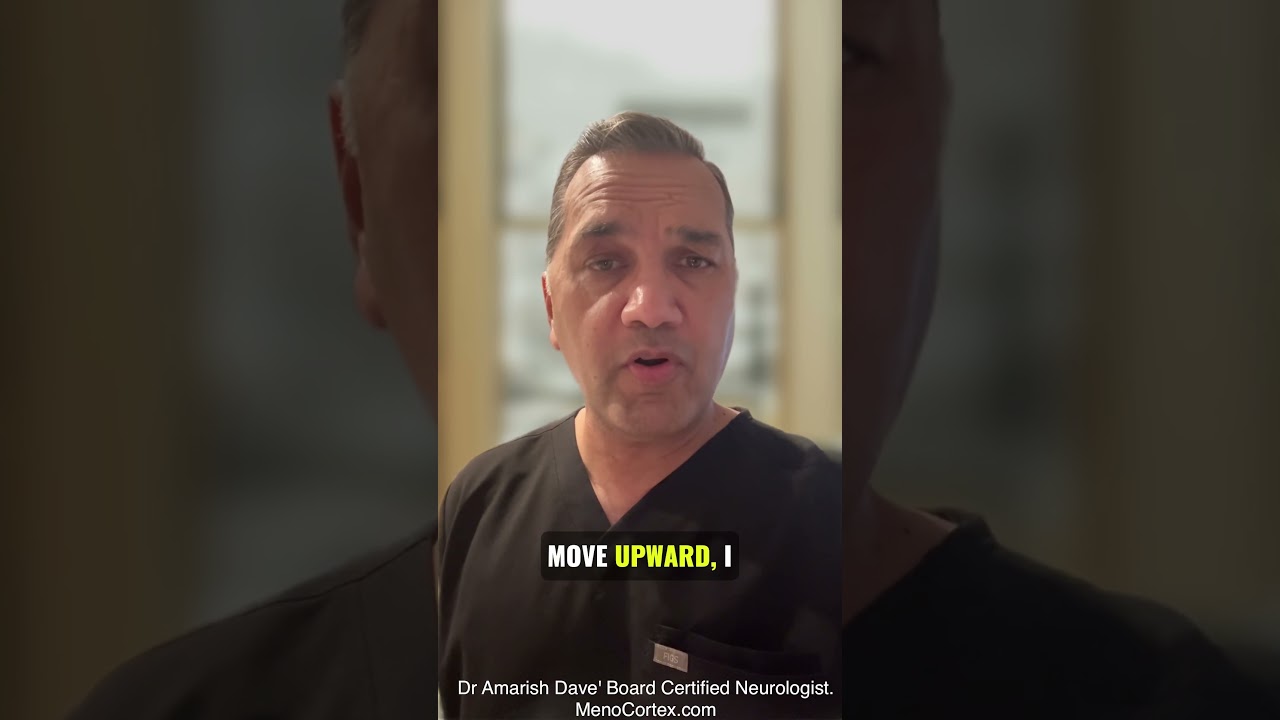
Watch on YouTube.
What Is Sciatica?
Sciatica is a symptom pattern caused by irritation or compression involving the sciatic nerve or, more often, a nerve root in the lower spine that eventually joins it. It is not a disease by itself. The location and character of symptoms help distinguish it from generalized back pain or peripheral neuropathy.
What Does Sciatica Feel Like?
Pain may begin in the lower back or buttock and travel down one leg. It may feel sharp, burning, shooting or electric. Tingling, numbness and sometimes weakness can accompany the pain. Symptoms commonly affect one side, and prominent back pain is not required.
What Causes Sciatica?
Common causes include a herniated lumbar disc, lumbar spinal stenosis, degenerative changes affecting a nerve root and spondylolisthesis. Less common problems can also compress or irritate a nerve, so the pattern and examination matter.
Can Sciatica Cause Tingling or Numbness?
Yes. Affected sensory fibers can produce tingling, pins and needles or numbness along a leg. More significant nerve involvement may cause weakness. Compare this one-sided, radiating pattern with the broader guide to tingling in midlife.
Why Can Back and Leg Pain Become More Noticeable During Midlife?
Muscle mass, physical activity, sleep, body composition, bone and joint health, and other musculoskeletal conditions can all change during midlife. These factors may affect back pain or how pain is experienced without making hormones the direct cause.
Does Menopause Cause Sciatica?
Menopause itself is not considered a direct cause of sciatica. Falling estrogen does not directly compress the sciatic nerve, and hormone therapy is not a treatment for sciatica. Menopause and spine-related pain can occur at the same time without one causing the other.
How Is Sciatica Diagnosed?
Diagnosis usually starts with the history and a physical and neurological examination of strength, sensation, reflexes and movement. Imaging is not always needed immediately; it may be considered when symptoms are severe, progressive, persistent or accompanied by concerning findings.
How Is Sciatica Treated?
Treatment depends on the cause, severity and duration. A clinician may discuss staying active as tolerated, physical therapy, symptom-relieving medicines or other targeted options. Progressive weakness or persistent disabling pain warrants reassessment rather than assuming every case follows the same course.
When Is Sciatica an Emergency?
New or progressive leg weakness, loss of bowel or bladder control, numbness around the saddle or groin, or rapidly worsening neurological symptoms require urgent medical evaluation.
Related videos


Share this page
Send this page to someone who may find it helpful.
Keep exploring
Explore more MenoCortex articles and videos about pain, nerves, muscles and neurological symptoms during midlife, or subscribe on YouTube.
A neurologist's take on new research, by email.A neurologist's take on new research, by email.
Get exclusive menopause and brain-health videos, my weekly neurologist's take on new research, practical insights, and subscriber-only tools.Join the free MenoCortex newsletter for science-based menopause and brain-health videos, research updates, practical insights, and subscriber-only tools and guides.
Free. Unsubscribe anytime. Educational information only. Privacy Policy.
Medical disclaimer
This information is for general educational purposes and is not individualized medical advice. It cannot diagnose the cause of back or leg symptoms or select treatment. See our medical disclaimer.
References & further reading
- 1.Sciatica: symptoms, causes and treatment — MedlinePlus — U.S. National Library of Medicine
- 2.Neurologic disorders and stroke information — National Institute of Neurological Disorders and Stroke (NIH)
- 3.MenoNote patient resources on menopause symptoms and treatment — The Menopause Society